Blog Archives
Spices 101: What is Cardamom?
Recently a ton of supermarkets closed down in the northeast, especially here on Long Island, resulting from their blanket corporation of A&P going out of business. It was really sad, considering how many people lost their jobs, and to see some old standbys like Waldbaums and Path-Mark close up shop, never to be seen again. Well, sometimes the best way to move past a tragedy is by finding any good you can in it. In this case, legendary clearance prices on all items. I hate to sound like classic consumerist American, but we were able to find some insane deals on food in the last few days when items were being discounted 70%, 80%, and even 95% off.
We took that opportunity to splurge on some cardamom pods, a staple curry ingredient which normally runs for, ohhhh, $15 a bottle. So yeah. Shit’s expensive.
Cardamom
Origin: India
Appearance: Small, green pods
Scent: Fruity, flowery, zesty
Taste: Sweet, zesty, fresh
Foods: Indian, Nordic European
Rareness: Rare
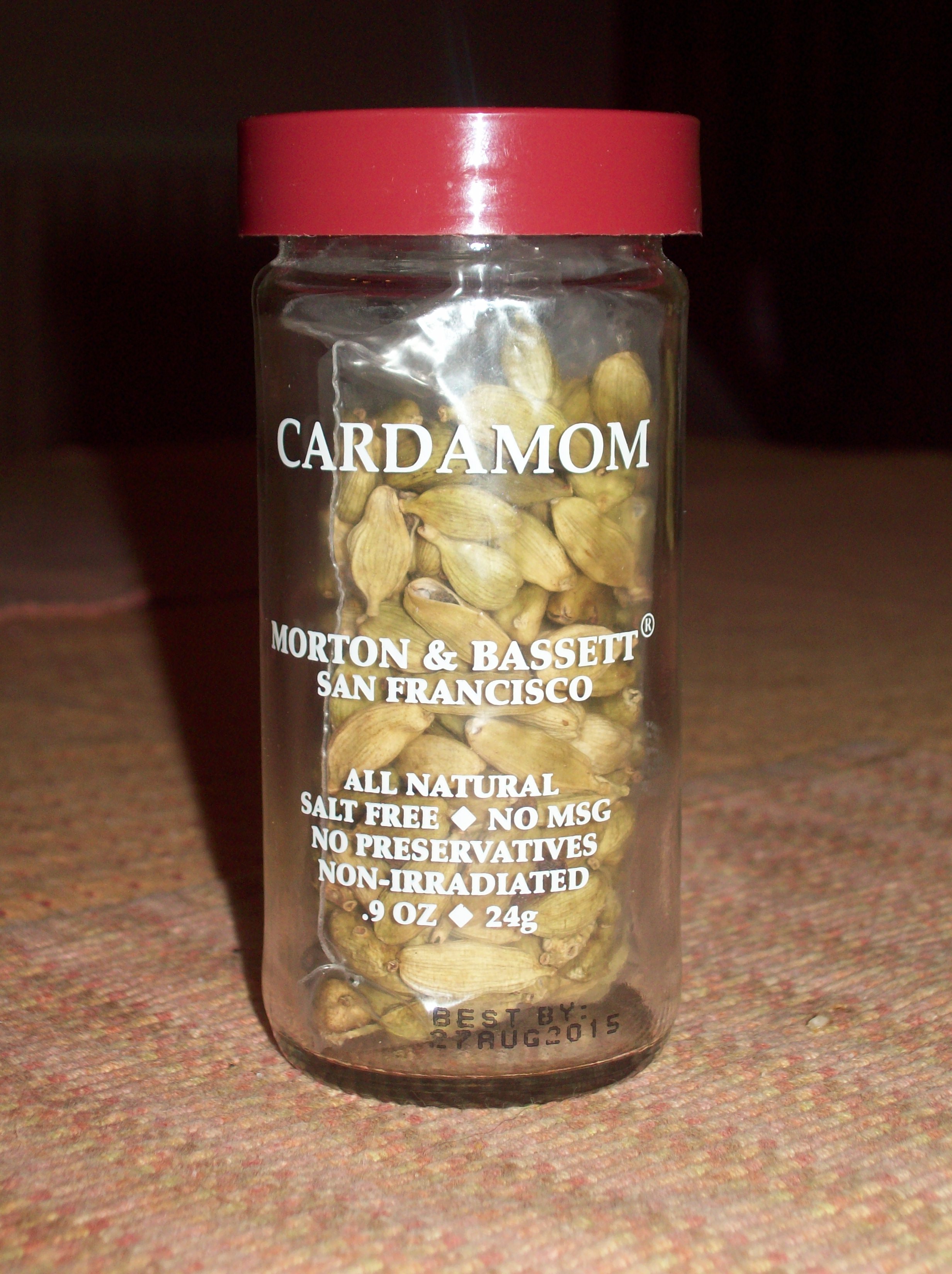
…son of a bitch I just realized these are 3 months out of date. Oh well. We got them for three bucks, as opposed to like $15.
Food 101: How To Make Basic Fried Rice
Let’s talk fried rice.
If you’ve had Chinese food before, you’ve had fried rice. Hell, if you’ve eaten at any Asian restaurants you’ve probably had it. Each culture seems to have its own little version of it. And for good reason too; fried rice is one of the easiest and fastest ways to convert old rice and leftovers into a tasty, nutritious meal.

Spices 101: What is Coriander? What is Cilantro?
I like to use the word coriander a lot when joking about high-class foods. Though coriander is yet another spice that sounds really complicated and fancy, but in reality isn’t as big a deal as one would think. It’s all in the name. It just sounds ritzy as hell. Four syllables, a bunch of vowels, doesn’t look like any other words… It has to be a big deal right? Weirdly enough, coriander is actually just the seeds of cilantro plants…
Coriander
Origin: Asia
Appearance: Tan, spherical seeds / coarse, beige powder
Scent: Sweet, citric
Taste: Nutty, fresh, Spice-spicy
Foods: Indian, Asian, and Middle Eastern cuisine
Rareness: Uncommon

Recipe Time: Kare-Raisu (Japanese Curry) カレーライス
I’ve gone on about curry before. But really, what’s not to like? It’s delicious, exotic, good for you, and relatively easy to make (provided you have all the ingredients). One thing that I particularly enjoy is discovering new ways to make curry dishes. Every new one I find is familiar, but has its own little twist on it. A year or so ago, I discovered the concept of Japanese curry. It’s weird to think of it, since curry itself derives from India for the most part, and is also popular in Thai cuisine as well. But Japan? No way. But that’s where “yoshoku” comes in.

Happy Fall Recipe! How To Make Momiji (Fried Maple Leaves)
For whatever reason, both Meg and I have a soft spot for weird Asian stuff. We love exploring Asian marts looking for intriguing foods and ingredients, both because it’s exciting and because Asian cuisine is legit yummy. Last year however, we happened upon one of the more out-there food ideas we’ve come across, a Japanese snack food called momiji. In short, these are just battered, fried maple leaves. That’s it. They’re a Fall tradition hailing from the village of Minoo (mee-nohh) and actually are pretty yummy. Now trust me, I don’t like lettuce or salads at all. But despite the fact fried leaves sounds kind of bland, these are definitely worth your time for both the fact they taste good, and also just the fun whimsy of eating maple leaves during the Fall.


 The Poor Couple's Food Guide
You must be logged in to post a comment.